


In this issue
Technique
Deep plane or SMAS: how the two lifts really differ
Patient safety
Ghost surgery in Korea, and the laws that now protect you
Recovery
Your facelift recovery, one day at a time
Travel
K-ETA in 2026: who is exempt, and until when
Destinations
Korea or Turkey? A fair comparison
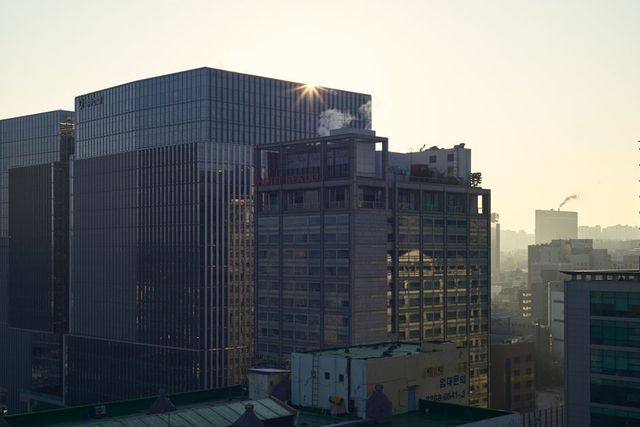
Seoul's Gangnam district hosts one of the world's densest concentrations of plastic surgery clinics.
The 2026 Guide
Facelift in Korea: What International Patients Need to Know
From choosing a board-certified surgeon and comparing techniques to realistic costs, recovery time and the safety laws that apply to you, this is the independent briefing we wish every patient read before booking.
By the Facelift in Korea Editorial Desk · Last reviewed October 24, 2026 · How we report
At a glance
₩7M–15M
Indicative 2026 range for a primary SMAS facelift in Seoul (about $5,300–11,300). Costs →
10–14 days
How long many surgeons ask overseas patients to stay before flying home. Planning →
Ended
Korea's VAT refund for foreign cosmetic patients expired on December 31, 2025. Details →
CCTV
Since September 2023, clinics must record surgery under general anesthesia if the patient asks. Safety →
Figures are indicative. Always confirm with the clinic.
The short answer
Is Korea a good place to get a facelift?
It can be. Seoul has many experienced, board-certified plastic surgeons, modern facilities and prices that are often well below those in the USA, UK or Australia. Results and safety depend on the individual surgeon and clinic, not the country, so verify credentials, confirm who will operate, plan a stay of roughly two weeks and arrange follow-up care at home.
Editors' picks
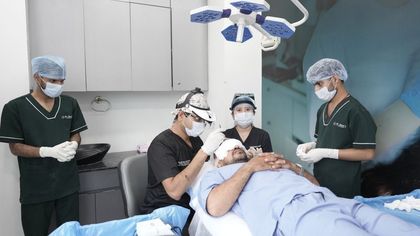
Surgical technique
The deep plane facelift in Seoul: what it is, and who it suits
Why surgeons lift beneath the SMAS layer, what the recovery looks like, and the questions to ask before you agree to it.

Recovery
Your facelift recovery, day by day
Swelling, bruising, stitch removal and the first walk outside: a realistic timeline for patients recovering far from home.
Patient safety
How to verify a board-certified plastic surgeon in Korea
Not every doctor offering a facelift is a plastic surgery specialist. Here is how to check, and what to get in writing.
Latest guides
Costs
Facelift cost in Korea: the 2026 overview
Indicative ranges for mini, SMAS and deep plane lifts, what a quote should include, and why prices vary so widely between clinics.
Planning
How long should you stay in Korea after a facelift?
Stitch removal, early checks and safe flying: how to plan the length of your trip.
Risks
Facelift risks and complications, explained plainly
Hematoma, nerve injury and scarring: how common they are, and what lowers your risk.
Non-surgical
Ultherapy vs Thermage: which device, for which face?
Ultrasound and radiofrequency work at different depths. Here is how to choose, and when neither is enough.
Consultation
The questions to ask at a facelift consultation
A printable checklist covering the surgeon, the technique, anesthesia, aftercare and what happens if something goes wrong.
By the numbers
What a facelift really costs in Korea
Korean surgical fees are often a fraction of American or British prices. But the headline number is only part of the bill: flights, two weeks of accommodation, interpreters and follow-up care at home all count.
| Procedure | Korea | USA (all-in) | UK (London, from) |
|---|---|---|---|
| Mini facelift | $3,000–6,000 | $5,500–9,000 | ~$10,000 |
| SMAS facelift | $5,300–11,300 | $12,000–22,000 | ~$13,500 |
| Deep plane facelift | $8,300–21,000 | $18,000–30,000+ | ~$19,900 |
| Neck lift | $3,800–12,000 | $7,500–13,000 | varies |
Indicative 2026 ranges compiled from clinic price pages, itemized quotes and American Society of Plastic Surgeons data. Korean figures converted at about ₩1,330 per US dollar and move with the exchange rate. Not quotes: always confirm with the clinic.
The index
Explore every facelift option
More than 100 procedure, concern and comparison pages, each opening with a short answer and a key-facts table.
The directory
Clinics and surgeons, documented from official sources
Every listing is built from the clinic's own website. No clinic pays to appear, and inclusion is not an endorsement. Spot an error? Tell our editors.
28
Clinics
Plastic surgery clinics in Seoul and Busan that list facelift or lifting surgery for international patients.
13
Surgeons
Profiled only when their clinic states a facelift or lifting focus, with credentials as published.
10
Neighborhoods
Gangnam, Apgujeong, Cheongdam, Sinsa and more: transit, recovery stays and practical tips.
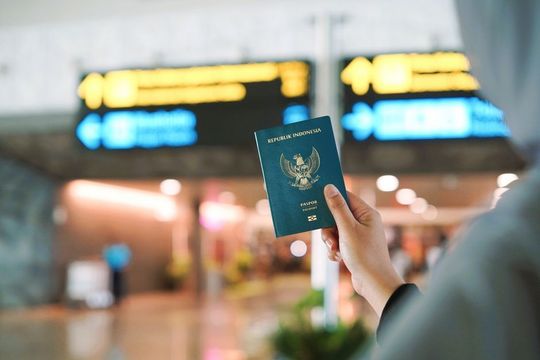
The travel desk
Coming to Korea for surgery
Entry rules, flight times, language support and aftercare back home differ by passport. Start with your country.
United States · Canada · United Kingdom · Australia · Singapore · Hong Kong · Taiwan · Japan · China · UAE · Saudi Arabia · Kazakhstan · Mongolia · Vietnam · Philippines
Before you fly
Korea's medical visa (C-3-3), explained
K-ETA and visa-free entry in 2026
Arriving at Incheon for surgery
Flying home after a facelift
Analysis
Why patients choose Korea, and why they should still be careful
The case for Korea
Depth of experience. Seoul's large plastic surgery sector means many surgeons perform facial rejuvenation procedures routinely, and some focus on lifting alone.
Price. Surgical fees are often well below US, UK and Australian levels, even after travel costs.
A full spectrum of options. Korean clinics are known for combining surgery with devices, threads and skin treatments, which suits patients who want a staged plan.
Stronger protections than a decade ago. Operating-room CCTV on request, named-surgeon consent rules and the registration of foreign-patient clinics all address past abuses.
What to watch for
Not every doctor is a plastic surgeon. In Korea any licensed physician may legally perform cosmetic procedures. Check specialist status .
Unregistered brokers. Commission-driven agents can steer patients toward clinics that pay them. Know the risks .
Rushed schedules. Surgery squeezed into a short holiday leaves no room for complications. Plan about two weeks.
Aftercare at home. Arrange a local doctor willing to see you before you travel. How to plan aftercare .
Our standards
How we report
Cosmetic surgery is a field crowded with advertising. These are the rules we hold ourselves to.
I.
Independent
We don't perform procedures, book surgery or take referral commissions, and no clinic pays for placement.
II.
Sourced
Laws, entry rules and prices are checked against official and primary sources, and dated.
III.
Medically careful
No guaranteed results, no invented statistics, no testimonials. Ranges are typical, not promises.
IV.
Corrected openly
Every page shows when it was last reviewed. Readers and clinics can report errors.
Know the terms
A short glossary
SMAS
The superficial musculoaponeurotic system, a fibrous layer under the skin that many facelifts tighten or reposition.
Deep plane
The space beneath the SMAS. Deep plane lifts release ligaments there so tissue moves as one unit.
Platysma
The thin neck muscle whose separating edges form visible neck bands; tightened in a platysmaplasty.
Retaining ligaments
Fibrous anchors that hold facial tissue to bone. As they loosen, jowls and folds deepen.
Reader questions
Facelift in Korea: frequently asked questions
How much does a facelift cost in Korea?
Indicative 2026 ranges in Seoul are roughly ₩4M–8M for a mini facelift, ₩7M–15M for a primary SMAS facelift and ₩11M–28M for a deep plane facelift, depending on the surgeon, whether the neck is included and the type of anesthesia. Korea's VAT refund for foreign cosmetic patients ended on December 31, 2025. See the 2026 cost overview and always confirm a written, itemized quote.
Is it safe to get a facelift in Korea?
A facelift performed by a qualified, board-certified plastic surgeon in a properly equipped facility carries similar risks in Korea to anywhere else. The avoidable risks come from choosing an unqualified doctor, an under-equipped clinic or a rushed schedule. Read facelift risks and complications and what a safe facility should have.
How long should I stay in Korea after a facelift?
Many surgeons ask international patients to stay roughly 10 to 14 days so stitches can be removed and early checks completed before flying. Larger combined procedures may need longer. See how long to stay in Korea after a facelift.
Do I need a visa for surgery in Korea?
It depends on your nationality and length of stay. Nationals of 22 countries, including the USA, UK, Canada, Australia and Japan, are exempt from K-ETA through December 31, 2026; others need a K-ETA or a visa such as the C-3-3 medical visa. Always confirm on official Korean government sites. See the medical visa and K-ETA guides.
How do I check that a Korean surgeon is qualified?
Ask for the surgeon's full name in Korean and English, confirm they are a certified plastic surgery specialist, and confirm in writing that the named surgeon will perform your operation. Korean law requires consent forms for higher-risk surgery to name the participating doctors. Our page on finding a plastic surgeon in Korea walks through each step.
Is this website a clinic or an agency?
No. Facelift in Korea is an independent information directory. It does not perform procedures, book surgery or receive commission for referrals, and listings are not endorsements. Learn more about us.
Facelift in Korea is an independent information directory. We do not perform procedures, and listings are not endorsements. Nothing on this site is medical advice; decisions about surgery belong with a qualified, board-certified plastic surgeon after an in-person examination.